
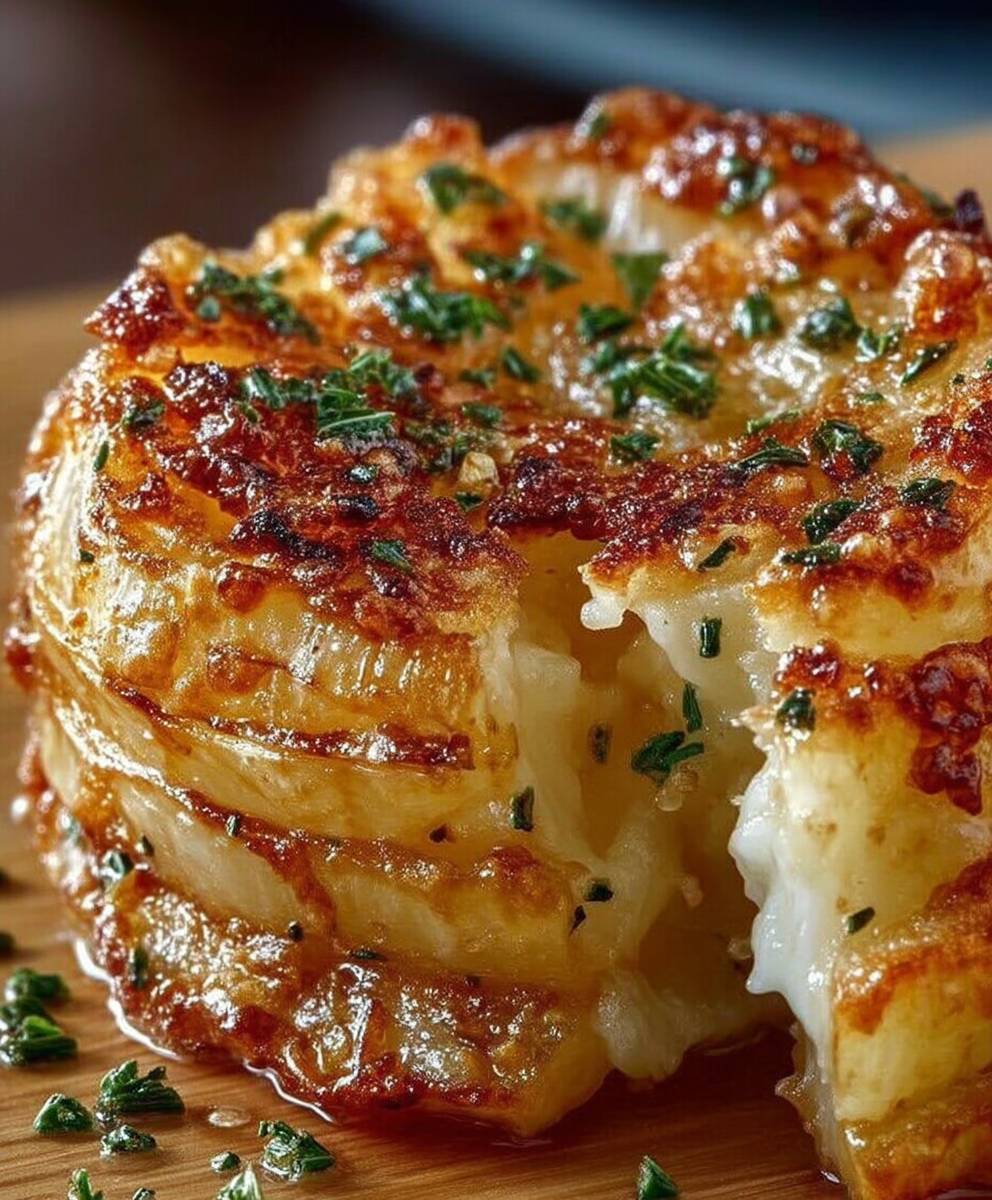

Have you ever met an onion with a personality? They aren’t just pungent cry-inducers; they are a culinary experience. We’re diving deep into the world ofTennessee Onions: A Guide to Growing and Cooking with This Unique Variety.
Their mild, sweet flavor transitions seamlessly from garden plot to gourmet plate, proving that the best flavors often come from the most surprising Southern soil.
- Offers a delicate sweetness and low acidity, making them perfect for caramelization or enjoying raw in vibrant summer salads.
- This variety requires minimal pre-soaking and cooks down quickly, saving valuable time during busy weeknight dinner preparations.
- Boasting large, globe-like bulbs with beautiful, papery bronze skins, these onions provide a fantastic visual anchor for any garden or platter.
- Ideal for grilling, frying into savory rings, or forming the sweet backbone of a rich beef broth or hearty turkey chili.
The Legend of the Volunteer State Bulb
There is a certain mystique surrounding the Tennessee Onion, often affectionately called the ‘Volunteer State Bulb’ by those who grow it. Unlike the highly pungent varieties that send you scrambling for goggles and an industrial fan, this specific allium is celebrated for its incredible mildness and high sugar content. Legend has it that the variety thrived in the rich, loamy soil found along the Tennessee River, developing its unique sweet profile over generations of dedicated Southern farming.
I first encountered this magnificent bulb at a roadside stand near Chattanooga. I had sworn off chopping onions after a disastrous incident involving a cheap pair of sunglasses and a very sharp knife. But the farmer swore this bulb wouldn’t make me cry—or at least, not much. He explained that the low sulfur content means fewer volatile compounds escaping into the air, resulting in less eye irritation and a fundamentally sweeter taste. This onion is primarily grown from ‘sets’—small, immature bulbs planted in early spring—though starting from seed is possible if you have patience rivaling a saint and a very long growing season.
When incorporating this unique variety into cooking, its inherent sweetness means you can achieve deep, golden caramelization in less time and with less added sugar than usual. This makes the Tennessee onion not just a vegetable, but a foundational flavor builder. Whether you are using it to bulk up a robust shepherd’s pie made with ground lamb or serving it thinly sliced on a juicy grilled chicken sandwich, the nuanced flavor enhances every component without overpowering it. This mildness is truly the secret weapon of the Tennessee variety, allowing it to shine in dishes where stronger bulbs would simply dominate.
Cultivating Sweet Success: Planting and Soil Needs
Growing a sweet Tennessee Onion requires dedication, but the payoff is worth the effort when you harvest those beautiful, sizable globes. These plants demand full sun—at least six to eight hours a day is absolutely non-negotiable—and they detest soggy feet. Excellent drainage is paramount. If you have heavy clay soil, heavily amend it with aged compost or planting in raised beds is your best bet for ensuring success. The optimal planting window for sets is very early spring, generally 4 to 6 weeks before the last expected frost, as they require a long, cool period to establish strong roots before the summer heat encourages bulb formation.
The soil should be slightly acidic to neutral, ideally with a pH between 6.0 and 7.0. Because these onions grow large, they are incredibly hungry plants. Incorporate a balanced, slow-release fertilizer into the soil at planting time, focusing on nitrogen to promote healthy green top growth. Once the bulbs start to swell in early summer, shift to a fertilizer lower in nitrogen and higher in potassium and phosphorus to encourage that magnificent bulb development. Remember, consistent watering is essential, especially during dry spells; irregular watering can lead to splitting or, worse, premature bolting.
From Ground to Gourmet: Harvesting Your Tennessee Treasure
Patience is a virtue, especially when waiting for an onion to mature. Tennessee onions typically require around 90 to 110 days from planting sets to harvest. The crucial sign that they are ready to come out of the ground is when the tops, or the green stems, begin to weaken, yellow, and flop over naturally. Do not rush this process! Once about three-quarters of the tops have bent over, you can gently knock down the remaining ones to signal the plant to finish storing energy in the bulb.
Carefully lift the bulbs from the soil using a garden fork, being cautious not to puncture them. Punctures invite rot and significantly shorten storage life. The next vital step is curing, which is basically giving your onions a sunbath. Lay them out in a dry, well-ventilated location—like a screened porch or shed—for one to three weeks. This curing process allows the necks to dry completely and the outer skins to firm up, sealing in the flavor and reducing moisture content. Once cured, store your Tennessee onions in mesh bags or braid the dried tops and hang them in a cool, dark, and dry spot. Properly cured bulbs can last for several months.
Ingredients for Tennessee Onions: A Guide to Growing and Cooking with This Unique Variety
Here’s what you’ll need to make this delicious dish:
- Tennessee OnionsUse four large or six medium bulbs, ensuring they are cured and firm; their natural sweetness forms the backbone of the recipe.
- Unsalted Butter AlternativeWe prefer high-quality clarified plant-based butter or olive oil, which adds richness without dairy notes and helps achieve deep caramelization.
- Vegetable BrothA low-sodium, richly flavored vegetable or mushroom broth is essential for deglazing the pan and preventing the onions from drying out during the long cooking process.
- Light Brown SugarA small amount aids the caramelization process, deepening the mahogany color and highlighting the natural sugars already present in the allium.
- Thyme and Bay LeafFresh thyme sprigs and one dried bay leaf provide an herbaceous complexity that cuts through the sweetness and grounds the flavor profile.
- Balsamic VinegarA splash of high-quality balsamic vinegar at the end balances the deep, savory sweetness with a necessary touch of acidity and tang.
- Salt and Freshly Ground Black PepperUse sea salt to pull moisture from the onions initially, and black pepper for a sharp aromatic lift upon serving.
The full ingredients list, including measurements, is provided in the recipe card directly below.
How to Make Sweet Caramelized Tennessee Onions
Follow these simple steps to prepare this delicious dish:
Step 1: Preparing the Bulbs and Heating the Fat
Carefully peel the papery outer skin from the Tennessee onions and slice them thinly and uniformly from top to root, yielding roughly 1/8-inch thickness. Uniform slices ensure even cooking. In a heavy-bottomed pot or Dutch oven, melt three tablespoons of plant-based butter alternative and two tablespoons of olive oil over medium-low heat. The low heat is absolutely critical for this process, as high heat will burn the sugars before they properly caramelize.
Step 2: The Initial Sweat and Seasoning
Add the sliced onions to the pot, along with the bay leaf, thyme sprigs, and a generous pinch of salt. Stir well to coat every slice in the fat. Cover the pot for 15 minutes, stirring occasionally. This “sweating” phase allows the onions to release their internal moisture, softening them significantly and concentrating their initial flavor. Reduce the heat further if the edges show any sign of browning too quickly.
Step 3: The Slow Caramelization Process
Uncover the pot and continue cooking the onions over very low heat for 45 to 60 minutes, stirring every 10 minutes. The mixture should slowly move from translucent to a rich, deep golden brown. When they reach a medium caramel color, stir in the light brown sugar to accelerate the deepening of the color. If any brown bits stick to the bottom, use a small splash of vegetable broth to scrape them up—this is crucial flavor known as fond.
Step 4: Deglazing and Finishing
Once the onions have reached a glossy, deep mahogany color and are meltingly tender, remove the thyme sprigs and bay leaf. Pour in the remaining vegetable broth and the tablespoon of balsamic vinegar. Increase the heat slightly and cook for 2 to 3 minutes, scraping up any final caramelized bits from the bottom of the pot until the liquid has reduced to a syrupy glaze. Taste and adjust seasoning with additional salt and freshly ground black pepper.
Transfer to plates and drizzle with sauce for the perfect finishing touch, perhaps served alongside grilled turkey breast or piled high on homemade savory bread pudding.
Frequently Asked Questions About Tennessee Onions
Are Tennessee Onions good for long-term storage?
Yes, provided they have been properly cured. When stored in a cool, dark, and dry place with good air circulation—ideally between 45°F and 55°F (7°C and 13°C)—these bulbs can last up to three months before showing signs of sprouting or decay.
What is the typical size of a mature Tennessee Onion?
A mature Tennessee onion is prized for its size, often growing quite large, commonly reaching diameters of three to five inches. Their generous size makes them excellent for slicing into thick rings for frying or for stuffing.
Can I substitute another sweet variety for the Tennessee Onion in recipes?
If you cannot source the Tennessee variety, you can use other sweet types like Vidalia or Walla Walla onions. However, be aware that the Tennessee bulb has a uniquely mild flavor profile that may require slightly less cooking time and potentially less added sweetener.
Why did my onion tops fail to flop over during harvest time?
Tops often fail to flop if the plant receives too much water or nitrogen late in the season, or if the growing season has been unusually cool. If the bulb appears large and the neck is beginning to soften, you may manually bend the tops to encourage curing.
There is a certain magic that hangs heavy in the humid air of the American South, and sometimes, that magic settles right into the soil. It gives us unique treasures, and chief among them is the mighty Tennessee Onion. Forget those overly sharp, tear-inducing globes you find everywhere else that leave you sobbing over your cutting board. The Tennessee variety, often referred to as the ‘sweetheart of the garden,’ boasts a flavor profile robust enough to stand up to grilling yet sweet enough to eat raw on a burger. For years, I chased the perfect savory-sweet balance in my cooking, only to discover I needed to start right at the source: mastering the art described inTennessee Onions: A Guide to Growing and Cooking with This Unique Variety.
My first encounter was at a roadside stand near Nashville. The farmer swore these onions were different, claiming they held the very essence of the Volunteer State. He was not wrong. Unlike common yellow onions, the Tennessee type develops a flatter, more substantial bulb and offers a distinctly mild pungency followed by a noticeable, sugary finish. They truly transform any dish, moving it from merely good to undeniably great. If you are serious about elevated flavor and culinary exploration, these specific alliums deserve a prime spot in your kitchen and perhaps even a dedicated patch in your garden.
Cultivating Culinary Gold: Growing Tennessee Onions
If you want to experience the true sweetness and unparalleled tenderness of these vegetables, you absolutely must try growing them yourself. It is not overly complicated, but like all Southern darlings, they do have specific preferences. Tennessee onions thrive in rich, well-draining, sandy loam soil and absolutely demand plenty of sunshine. Think of them as tiny, demanding sun-worshippers who refuse to tolerate standing water. This variety needs long days to develop those substantial, flavorful bulbs.
Optimal Planting Strategies for Southern Success
Planting typically happens from sets or transplants in late winter or early spring, giving them sufficient time to mature fully before the intense summer heat tries to scorch everything. This timing is a crucial factor that distinguishes successful growers from those who end up with tiny, underwhelming bulbs. If you miss the early spring window, the bulbs might not size up correctly.
To ensure optimal flavor, you must amend your soil heavily with well-rotted compost before planting. Tennessee onions are known as heavy feeders, meaning they require consistent nutrition throughout their growth cycle. They need consistent moisture, especially during the bulbing stage, but hate sitting in soggy ground—a classic gardening contradiction that keeps things interesting! You will know they are ready for harvest when the green tops naturally start falling over and browning, typically around mid-summer. Harvesting too early sacrifices valuable size; harvesting too late compromises the bulb’s ability to store well over the winter. The key is patience, diligent watering, and paying close attention to the plant’s subtle cues. Mastering this cultivation process ensures you secure the absolute best flavor profile for cooking later on.
The Star Recipe: Caramelized Tennessee Onion Tartlets
Once you have secured your harvest, or perhaps found a reliable local source that respects the integrity of the Tennessee variety, the absolute best way to showcase the sweet, mild flavor of this unique onion is through slow, deliberate caramelization. This recipe requires minimal ingredients but maximum attention, resulting in savory tartlets perfect for appetizers, brunch, or a light lunch. We are combining a buttery crust with rich, deeply caramelized onions and savory, shredded chicken for a truly unforgettable bite that sings of Southern comfort.
Ingredients for Southern Comfort
- 2 large Tennessee Onions, peeled and thinly sliced
- 1 tablespoon high-quality olive oil
- 2 tablespoons unsalted butter (or dairy-free alternative)
- 1/4 cup hearty vegetable broth
- 1 cup cooked, seasoned, shredded chicken breast
- 1/2 cup aged sharp cheddar cheese (or suitable alternative like gruyère)
- 1 teaspoon fresh thyme leaves
- 1/2 teaspoon kosher salt
- Pinch of black pepper
- 1 sheet puff pastry, thawed according to package instructions
Unlocking the Onion’s Potential Through Caramelization
This stage is where we truly unlock the onion’s incredible sweet potential. Caramelizing onions is not a quick task; it is a labor of love that demands low and slow heat. Anyone who tells you they can caramelize onions in ten minutes is selling you fibs and burnt edges. Start by melting the butter and olive oil in a large, heavy-bottomed skillet over medium-low heat. Add all of the sliced Tennessee Onions. Stir frequently, ensuring they sweat down beautifully without ever burning. This transformation stage takes between 25 to 35 minutes until they achieve a deep, rich, golden-brown color and a wonderfully jam-like, sticky texture. Do not rush this step, or you will miss out on the incredible depth of sweetness these unique onions offer.
Once the Tennessee onions are fully caramelized, it is time to deglaze the pan. Pour in the vegetable broth and use a wooden spoon to scrape up any tasty, browned bits stuck to the bottom of the skillet—that is pure flavor magic! Stir in the shredded chicken, fresh thyme, salt, and pepper. Remove the mixture from the heat and allow it to cool slightly while you prepare the puff pastry base.
Assembly and Baking Instructions
Preheat your oven to 400°F (200°C). Unroll the sheet of puff pastry and slice it evenly into four manageable squares. Lightly score a border about half an inch from the edge of each square—this helps create a lovely, puffed-up crust edge during baking. Spoon the cooled onion and chicken mixture evenly onto the center of each pastry square, ensuring you do not cross the scored border. Sprinkle the sharp cheddar cheese generously over the filling.
Transfer the assembled tartlets to a baking sheet lined with parchment paper. Bake the tartlets for 18 to 20 minutes, or until the pastry is completely puffed up, gorgeously golden brown, and the filling is bubbling hot. Let them cool on the baking sheet for about five minutes before transferring them to a serving plate. The intense, developed flavor gained from correctly preparingTennessee Onions: A Guide to Growing and Cooking with This Unique Varietyshines through perfectly in these warm, savory pastries, making them an instant crowd-pleaser.
Perfecting the Cooking Process

Achieving culinary harmony is simple: start by fully caramelizing the Tennessee onions first, achieving that deep, sweet base flavor before incorporating the shredded chicken and seasoning. Then, focus entirely on ensuring the puff pastry bakes perfectly, providing a crisp, flaky contrast to the rich, soft filling inside.
Add Your Touch
Customize this recipe by swapping the shredded chicken for crumbled, cooked ground lamb or beef for a richer, more robust flavor profile. Alternatively, replace the cheddar cheese with aged smoked gouda. For an herbaceous finish, drizzle a little tangy fruit vinegar reduction over the top immediately before serving.
Storing & Reheating
Store any leftover tartlets in an airtight container in the refrigerator for up to three days. For the absolute best quality and texture, reheat them gently in a toaster oven or standard oven at 350°F (175°C) for 8 to 10 minutes until the crust returns to its original crispness.
My grandmother once told me, “You can’t rush sweet things,” and that wisdom applies perfectly here. I remember the time I tried to caramelize these in 15 minutes—they were burnt, bitter, and utterly ruined the sophisticated flavor of the pastry.
- Always use a heavy-bottomed, non-stick skillet for caramelizing; this method distributes heat evenly and prevents the natural sugars in the onion from scorching prematurely.
- Slice the Tennessee onions uniformly thin; inconsistent thickness means some pieces will burn while others remain crunchy, compromising the smooth, jammy texture.
- If your onions start to dry out during the long caramelization process, add water one tablespoon at a time instead of oil, ensuring they continue to steam and soften gently without adding excessive fat.
Frequently Asked Questions About Tennessee Onions
People often ask me about sourcing, flavor comparisons, and the overall versatility of this particular allium. As we explore the full spectrum of their use, here are the answers to the most common questions about the unique qualities discussed inTennessee Onions: A Guide to Growing and Cooking with This Unique Variety.
Are Tennessee Onions very spicy or pungent?
No, Tennessee Onions are renowned for their exceptional mildness and natural sweetness compared to standard yellow or white varieties. Their distinctively low sulfur content makes them ideal for raw consumption or slow cooking without inducing excessive sharp flavor or bitterness.
Can I substitute a Vidalia or Walla Walla onion for the Tennessee variety?
While Vidalia and Walla Walla are also classified as sweet varieties, the Tennessee Onion offers a slightly deeper, more robust flavor that surprisingly holds up better to grilling and long caramelization. Substitution is certainly possible, but anticipate a slightly different, perhaps milder, overall result in the final dish.
What is the best way to store fresh Tennessee Onions after harvest?
Store harvested Tennessee Onions in a cool, dark, dry, and well-ventilated area, such as a mesh bag hanging in a cellar or garage. Avoid placing them in the refrigerator, as the high humidity can significantly shorten their storage life and soften the bulbs prematurely.
Do Tennessee Onions require special care compared to common garden onions?
They require similar care, but because they are typically grown from transplants rather than seed, ensuring deep, consistent watering during the crucial bulbing stage is paramount. Consistent care yields the large, flat, sweet bulbs this variety is famous for producing.
Can I use Tennessee Onions in savory chicken or turkey dishes?
Absolutely! Dicing and incorporating these sweet onions into savory preparations like roasted turkey stuffing, chicken casseroles, or robust chili enhances the overall flavor profile wonderfully. They melt beautifully into the mixture, adding essential moisture and a subtle, balancing sweetness.
Discovering the Sweet Secret of Tennessee Onions
I remember the first time I met a true Tennessee onion. It wasn’t the fiery tear-jerker you find lurking in the grocery aisle; it was a gentle, almost timid bulb with a sweetness that instantly betrayed its size. People often mistake them for common sweet varieties, but this particular heirloom possesses a distinct, earthy punch only found deep in the Appalachian foothills. This unique variety demands respect, not just in the garden but on the cutting board. Forget the boring old yellow globe—we’re talking about a culinary revelation that deserves its own bluegrass ballad.
We’ll delve into how this exceptional vegetable came to be and, more importantly, how you can cultivate and cook with this flavorful powerhouse. When properly prepared, these onions offer a depth of flavor that elevates simple dishes into Southern feasts. Understanding their growing cycle and delicate flavor profile unlocks their true potential in any kitchen, from simple grilling to elaborate braises.
The Hilarious History of This Unique Onion Variety
The history of the Tennessee onion is, like many Southern heirlooms, shrouded in delightful folklore and maybe a little exaggeration. Local legends say the seeds were smuggled over the mountains in a banjo case, specifically chosen for their low sulfur content, guaranteeing a sweet flavor. While that story is probably fictional, the impact of these unique bulbs is certainly real. Generations of farmers perfected the selection process, favoring bulbs that thrived in the nutrient-rich, well-drained soil characteristic of the region. This resulted in an onion known for its exceptional size and mild, balanced flavor—a true testament to Appalachian agricultural dedication.
Unlike pungent white or red onions, this Tennessee sweetheart minimizes the painful slicing experience while maximizing flavor delivery. It’s the perfect blend of natural sugars and subtle sharpness, making it a versatile foundational ingredient in Southern cooking. It quickly moved from a regional curiosity to a highly sought-after component in chefs’ pantries across the country.
Planting Your Own Patch: A Guide to Growing Tennessee Onions
If you want the ultimate satisfaction of harvesting your own prize-winning bulbs, mastering the requirements for Tennessee Onions: A Guide to Growing and Cooking with This Unique Variety is essential. Unlike some other crops, onions demand a specific environment to develop their characteristic sweetness and size. Growing these large, delicate bulbs requires patience, precision, and plenty of sunshine. Starting with quality sets or bare roots early in the season dramatically increases your yield.
The key to success lies in understanding their need for “short-day” or “intermediate-day” conditions, depending on your exact location. Most southern growers find the short-day varieties excel, bulbing up rapidly as the days lengthen in the late spring. Always consult a local agricultural chart before planting to select the best type for your geographic latitude. Proper spacing is also crucial; give each plant enough elbow room—about six inches apart—to ensure the bulbs mature into their full, impressive size without competition for nutrients.
Soil Prep and Sunshine Requirements
Tennessee onions adore rich, loose, and well-drained soil. If your garden resembles heavy clay, incorporate generous amounts of compost and aged manure before planting. The soil pH should ideally hover between 6.0 and 7.0. Onions are heavy feeders, especially nitrogen, which helps fuel the growth of those green tops responsible for energy production. Feed them regularly early in the season, but reduce nitrogen applications once the bulbing process begins. Too much nitrogen late in the game encourages leafy growth over bulb development.
Critically, these onions demand maximum sunshine. Plant them in the sunniest spot in your garden, where they receive at least six to eight hours of direct light daily. Consistent, even watering is also vital. The goal is to keep the soil moist but never waterlogged. Dry soil results in small, pungent onions, defeating the whole purpose of cultivating this superior sweet variety.
Harvesting and Storage Secrets
Knowing exactly when to pull your beautiful bulbs ensures maximum flavor and optimal storage life. The time to harvest is usually early summer when the tops begin to yellow, weaken, and fall over naturally. Once about half of your plants have “necked down” (fallen over), stop watering entirely.
Gently lift the onions from the soil using a garden fork, being careful not to bruise the delicate skins. Lay them out in a dry, well-ventilated area—like a shaded porch or garage—for a process called curing. Curing involves drying the outer skins and necks, which takes about one to two weeks. Once fully cured, trim the roots and tops, leaving about an inch of neck. Store the finished bulbs in mesh bags in a cool, dark, and dry spot. Handled correctly, they should last several months, though their sweetness makes them tempting to consume much faster.
Cooking with Sweet Southern Flavor
The culinary possibilities with this unique onion variety are practically limitless, but they truly shine when their sweetness is amplified. Because of their mildness, you can use them raw in salads or salsas without overwhelming other delicate ingredients. However, their highest calling is often achieved under sustained, low heat.
Caramelized Tennessee Onion Dip
Forget the stale powder packets; we are elevating appetizer dip to an art form. This recipe relies on the natural sugars of the Tennessee onion to create a deep, rich, and savory spread that disappears faster than you can say “Bless your heart.”
Ingredients
- 4 large Tennessee sweet onions, thinly sliced
- 2 tablespoons olive oil
- 1 tablespoon unsalted butter
- 1/4 cup vegetable broth (or chicken broth)
- 1 block (8 oz) cream cheese, softened
- 1 cup sour cream (full fat suggested)
- 1/2 cup grated Parmesan cheese
- 1 teaspoon dried thyme
- Salt and black pepper to taste
- Dash of white balsamic vinegar (for brightness)
Instructions
Heat the olive oil and butter in a heavy-bottomed skillet over medium-low heat. Add the sliced onions and a pinch of salt. Stir occasionally, allowing the onions to slowly soften and brown. This process will take 30 to 45 minutes; low heat is critical to prevent burning and maximize caramelization.
Once the onions are deeply golden brown and sticky, deglaze the pan by pouring in the broth, scraping up any delicious browned bits from the bottom. Cook until the liquid has evaporated, then remove the onions from the heat and allow them to cool slightly. In a large mixing bowl, combine the softened cream cheese, sour cream, Parmesan, thyme, salt, pepper, and vinegar. Stir in the caramelized onions thoroughly. Transfer the mixture to a baking dish and bake at 350°F (175°C) for 20 minutes, or until bubbling hot. Serve warm with sturdy crackers or potato chips.
Conclusion for Tennessee Onions: A Guide to Growing and Cooking with This Unique Variety
Mastering the cultivation and culinary use of the Tennessee onion opens up a world of sweet, versatile flavor. This guide detailed the specific needs of this unique variety, emphasizing rich soil, ample sunshine, and careful timing for both planting and harvesting. Whether you are aiming for prize-winning bulbs in the garden or creating the most unforgettable caramelized dip for your next gathering, this sweet heirloom delivers superior results. By following these steps, you successfully transition from simply buying onions to truly growing and appreciating the finest flavors the Southern landscape offers.
FAQs
What distinguishes the flavor profile of Tennessee Onions: A Guide to Growing and Cooking with This Unique Variety from typical store-bought onions?
This heirloom variety stands out due to its remarkably low pyruvic acid and sulfur content. This chemical composition translates into an intense sweetness and a mild flavor, resulting in very little of the harsh pungency or tear-inducing volatility commonly associated with standard yellow globe onions. Their large size and high moisture content make them ideal for grilling, frying, or consuming raw in sandwiches, as they offer flavor without the overpowering bite. They maintain a sturdy structure even after slow cooking, which is a major advantage for recipes like soups and stews.
What is the optimal planting and harvesting timeline for cultivating this unique onion variety in a home garden?
For the best results when growing Tennessee Onions: A Guide to Growing and Cooking with This Unique Variety, gardeners should plant sets or transplants outdoors in late winter or early spring, typically around February or March, depending on the severity of the final frost. Planting early ensures the bulbs receive the necessary short-day daylight required for maximum development before the summer heat arrives. Harvesting usually occurs between late June and early July, once the foliage has started to yellow and naturally collapses, signaling the bulb’s maturity and readiness for curing.
Do Tennessee onions require any specific soil amendments or fertilization strategies for maximum bulb size?
Yes, achieving those famously large Tennessee onion bulbs requires specific care. They are heavy feeders and benefit significantly from soil rich in organic matter and slightly acidic pH (6.0 to 6.5). Before planting, incorporate balanced fertilizer or aged compost. During the active growth phase, frequent feeding with a nitrogen-heavy liquid fertilizer encourages strong top growth. However, stop all nitrogen feeding once the bulbs begin to swell. Switching to a phosphorus and potassium-rich fertilizer at this stage helps the bulb harden and develop its sweet flavor profile.
How should Tennessee sweet onions be stored to ensure they maintain their mild flavor and shelf life after harvesting?
Proper curing is paramount to maximizing the storage life of these sweet bulbs. After harvesting, they must cure in a dry, dark, well-ventilated space for one to two weeks until the outer skin is papery and the neck is fully dry. Never refrigerate uncured onions, as this reduces their lifespan. Once cured, store the onions in a breathable container, like a mesh bag, and hang them in a cool (around 40°F to 50°F), dry, and dark location. Avoid piling them in a deep container, which traps moisture and encourages early spoilage.



Leave a Comment