
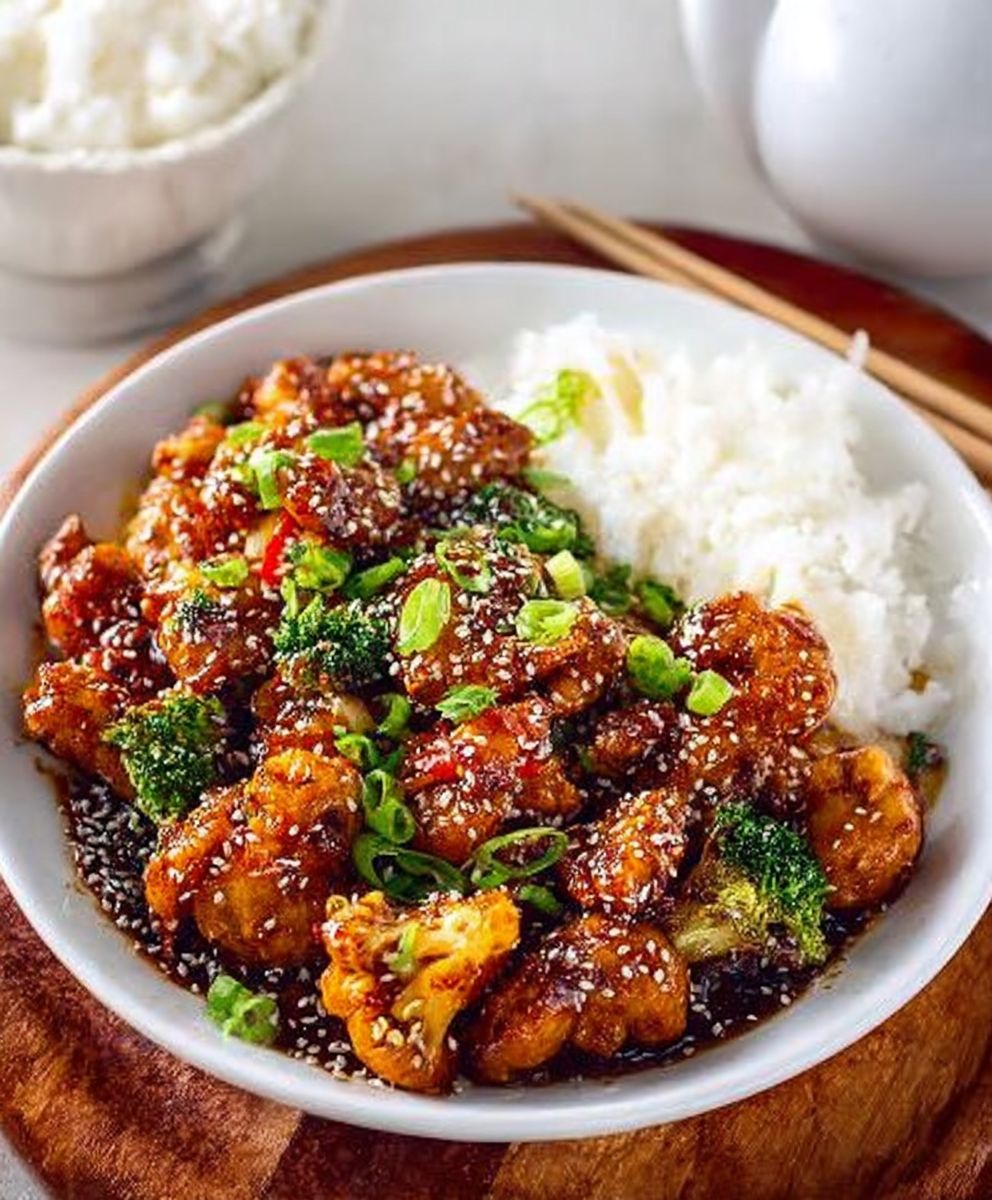

There is no sound more satisfying than the thwack of the takeout menus hitting the recycling bin because tonight, you are in charge of the flavor. Forget the delivery guy; we are achieving culinary greatness right here.
Get ready to master fresh, vibrant textures and smells. This is the secret toHomemade Chinese Food: Easy Recipes for Authentic Flavorsthat truly taste restaurant quality without the fuss.
- Achieve complex, restaurant-quality flavors using simple pantry staples and straightforward preparation methods in under 45 minutes.
- The stunning visual presentation of these dishes rivals any high-end eatery, turning your weeknight dinner into an impressive feast.
- These recipes are highly versatile, allowing easy substitutions for proteins and vegetables based on whatever you happen to have in the refrigerator.
- Experience the genuine taste of global cuisine with authentic spice balancing and rich, aromatic sauces that truly satisfy.
Why Ditch the Takeout Menu? The Thrill of Kitchen Takeover
I’ve been there. It’s 7 PM, you’re tired, and the takeout app is beckoning with promises of immediate gratification. But let’s be honest—that joy lasts about five minutes, right up until you open the container and realize the ‘sauce’ is mostly high-fructose corn syrup and regret. We deserve better than sad, lukewarm dumplings and rice that tastes suspiciously like packing peanuts. The real thrill, the true satisfaction, comes from conquering the kitchen and realizing that achieving genuine, authentic flavors is surprisingly easy. It’s time to stop paying a premium for a meal you can make better, fresher, and faster at home. Think about the pure, unadulterated smell of fresh garlic and ginger sizzling in hot oil—that sensory explosion alone is worth trading in the delivery fee for a spatula.
The biggest myth surrounding preparing great Chinese cuisine at home is that it requires specialized equipment or secret, generational knowledge. Absolute nonsense! Most of the foundational techniques rely on high heat, quick cooking times, and a proper balance of sweet, sour, salty, and umami. Once you understand the basic components—a robust marinade for your protein, a swift stir-fry method for your vegetables, and a balanced finishing sauce—you are ready to create masterpieces. Our goal here is to demystify the wok and provide you with foolproof methods that deliver maximum impact with minimal fuss. Say goodbye to soggy stir-fries and hello to vibrant, crunchy vegetables and perfectly tender meats. This journey intoHomemade Chinese Food: Easy Recipes for Authentic Flavorsis about empowerment, flavor, and saving money simultaneously.
The Magic Behind the Wok: Essential Techniques
While you don’t necessarily need a traditional wok (a large, heavy skillet or cast-iron pan works perfectly), high heat is non-negotiable. The secret to that smoky, charred flavor, often called “wok hei,” is getting your oil screaming hot before you even think about tossing in ingredients. Always cook your protein and vegetables in separate, small batches. Overcrowding the pan drastically lowers the temperature, resulting in steaming instead of searing, which is the nemesis of crisp texture. Cook the chicken or beef first, remove it, and then tackle the vegetables. This ensures everything retains its intended snap and texture.
Another vital tip involves preparation, known as “mise en place.” Chop all your ingredients, measure all your sauces, and have them lined up before the heat turns on. When cooking at high temperatures, things move quickly—you won’t have time to frantically mince ginger while your peppers are burning. When dealing with proteins like chicken breast or beef skirt steak, slicing against the grain and marinating for at least 15 minutes is crucial for tenderness. For this recipe, we utilize cornstarch or potato starch in the marinade, which achieves two wonderful things: it seals in the moisture of the meat, keeping it incredibly tender, and it provides a thin, light coating that helps the sauce cling perfectly, avoiding a watery mess. We recommend marinating thin strips of chicken breast with a mixture of soy sauce, a touch of apple cider vinegar for tang, white pepper, and a teaspoon of cornstarch. This simple step elevates the protein from mediocre to magnificent and ensures that every bite is bursting with flavor, forming the backbone of truly successfulHomemade Chinese Food: Easy Recipes for Authentic Flavors.
Crafting Flavor Bombs: Sauces and Marinades
The soul of any excellent Asian dish lies entirely within the sauce. If you’ve ever tasted something amazing at a restaurant and struggled to replicate it, the problem wasn’t your technique; it was likely the sauce ratio. Restaurant sauces are built on layers of flavor—a careful interplay of salty (soy sauce), acidic (vinegar/citrus), sweet (sugar/honey/maple syrup), and umami. Once you master the basic ‘mother sauce’ formula, you can adapt it to create anything from General Tso’s alternative (using sweet chili and vinegar) to a robust Black Bean sauce. Always pre-mix your sauce ingredients in a bowl before adding them to the hot pan. This prevents clumping and allows the flavors to meld seamlessly before hitting the heat. Remember, the sauce goes in last, thickens quickly, and is meant only to coat the already cooked ingredients, not boil them. This quick, final coating is what gives the dish its beautiful, restaurant-quality gloss.
The Soy Sauce Saga and Ginger’s Role
Let’s talk about soy sauce. You likely have two types: light (or regular) and dark. Light soy sauce is primarily used for seasoning; it provides saltiness and a delicate umami boost without darkening the final dish too much. Dark soy sauce, conversely, is thicker, sweeter, less salty, and mainly used for coloring and adding richness and depth. Using dark soy sauce is essential for dishes like Lo Mein or Chow Fun where that deep, mahogany hue is expected. The subtle sweetness inherent in quality dark soy sauce also acts as a counterpoint to the salt, resulting in a perfectly balanced final product. If you only have one type, light soy sauce is the better choice, but be prepared for a slightly lighter color.
Ginger, the unsung hero, needs to be fresh. Dried ginger simply won’t cut it. Fresh ginger root provides a zesty, pungent aroma and flavor that cleanses the palate and brightens heavy sauces. When preparing ginger, peel it using the edge of a spoon—it’s far easier than using a standard peeler—and slice it thinly or mince it finely, depending on whether you want the flavor infused throughout or small bursts of heat. The combination of fresh garlic and ginger, often added right before the vegetables, is known as “ginger-garlic oil” and forms the true aromatic foundation of great stir-fries. Never skip this initial sauté step, even if it’s only for 30 seconds, because it extracts the essential oils that perfume the entire dish, ensuring every ingredient carries that signature authentic flavor profile.
Homemade Chinese Food: Easy Recipes for Authentic Flavors
The time has come to put theory into delicious practice. We are focusing on two universally beloved dishes that are shockingly simple to perfect at home. First up, a tangy, bright lemon chicken (using chicken breast, naturally) that skips the deep fryer while retaining incredible texture. Second, a perfect, customizable Lo Mein recipe that is infinitely better than anything you can order on a Friday night. AchievingHomemade Chinese Food: Easy Recipes for Authentic Flavorsrequires precision in the sauce department and rapid movement during the cooking phase—embrace the heat!
Quick and Crispy Lemon Chicken (No-Fry Option)
For the chicken, we are employing a quick pan-sear and oven finish to ensure crisp edges without the mess of deep frying. The key is to coat the marinated chicken pieces lightly in cornstarch and then pan-fry them for only two minutes per side until golden brown. Once browned, transfer them to a baking sheet and finish them in a 400°F (200°C) oven for about 8 minutes. This two-step method achieves a beautiful crispy shell that stands up well to the bright, zesty lemon sauce. The sauce itself is a simple reduction of freshly squeezed lemon juice, chicken broth, honey (or sugar), and a cornstarch slurry for thickness. The lemon flavor should be dominant but balanced by the sweetness and the savory notes of the broth. It should be thick enough to coat the back of a spoon, providing that visually appealing glossy sheen. Serve immediately over steamed rice to catch all that gorgeous, glossy sauce and pair it with some steamed green beans for color contrast.
Perfect Pan-Fried Noodles (Lo Mein)
Lo Mein translates to ‘tossed noodles’ and is the ultimate comfort food. The secret to amazing noodles starts with the noodles themselves—use fresh or dried egg noodles, or even spaghetti if you are in a pinch! Cook them according to package directions, but slightly undercook them (al dente). Rinse them quickly in cold water to stop the cooking process and prevent sticking, then toss them with a teaspoon of sesame oil. This crucial step prevents them from clumping together when they hit the wok.
The vegetable base is highly adaptable, but typically includes shredded carrots, cabbage, snow peas, and scallions. Stir-fry the tougher vegetables first (carrots) for 2 minutes, then add the softer ones (cabbage/peas). Once the vegetables are crisp-tender, add your cooked protein (shrimp, beef, or chicken are excellent choices) and the pre-cooked noodles. Finally, pour in the Lo Mein sauce, which should be a mixture of light and dark soy sauce, a touch of mushroom seasoning for umami depth, sesame oil, and a dash of rice vinegar. Toss vigorously for 60 to 90 seconds until the sauce has fully coated and glazed every strand of noodle. The high heat during the final toss slightly chars the noodles, adding depth. Garnish generously with fresh cilantro or extra scallions before serving.
Ingredients for Homemade Chinese Food: Easy Recipes for Authentic Flavors
Here’s what you’ll need to make this delicious dish:
- Chicken Breast or ThighsChoose boneless, skinless cuts, sliced thinly against the grain for maximum tenderness and quick cooking.
- Soy Sauce (Light and Dark)Light provides primary saltiness and umami, while dark adds rich color and deeper complexity to the finishing sauce.
- Fresh Ginger and GarlicThese aromatics are indispensable; use fresh, never powdered, and mince them finely for the best flavor release.
- Cornstarch or Potato StarchEssential for creating a thin, protective coating on the protein and for thickening sauces into a desirable, glossy glaze.
- Rice Vinegar and Lemon JuiceThese provide the necessary acidity to balance the richness and sweetness of the sauces, adding a bright, clean finish.
- Vegetable Oil or Canola OilUse an oil with a high smoke point for stir-frying at high heat without burning, ensuring the best “wok hei” possible.
- Fresh VegetablesSelect crisp vegetables like broccoli florets, bell peppers, carrots, and snow peas, cut into uniform, bite-sized pieces for even cooking.
- Egg Noodles or Lo Mein NoodlesIf using dried, slightly undercook them before rinsing; fresh noodles provide the best authentic texture.
The full ingredients list, including measurements, is provided in the recipe card directly below.
How to Make Homemade Chinese Food: Easy Recipes for Authentic Flavors
Follow these simple steps to prepare this delicious dish:
Step 1: Prep the Protein and Aromatics
In a medium bowl, combine the thinly sliced chicken with 1 tablespoon of light soy sauce, white pepper, and 1 tablespoon of cornstarch. Mix well and let it marinate for at least 15 minutes while you chop all the vegetables and aromatics (ginger and garlic). Prepare the lemon sauce by whisking together lemon juice, honey, chicken broth, and a separate cornstarch slurry (1 tsp cornstarch mixed with 2 tsp water) so it is ready to go.
Step 2: Sear the Chicken
Heat 2 tablespoons of high-smoke point oil in a large skillet or wok over medium-high heat until shimmering. Add the marinated chicken pieces in a single layer, making sure not to overcrowd the pan. Sear for 2 to 3 minutes per side until deeply golden brown and crispy. If making the crispy chicken, transfer the pieces to a 400°F (200°C) oven to finish cooking for 8 minutes. Remove the rest of the chicken from the pan and set it aside for Lo Mein.
Step 3: Stir-Fry the Vegetables
Reduce the heat slightly and add another teaspoon of oil to the same pan. Toss in the minced garlic and ginger and stir-fry rapidly for 30 seconds until fragrant—do not let them burn. Add the tougher vegetables, such as carrots and broccoli, and cook for 3 minutes until slightly softened but still crunchy. Add the softer vegetables, like snow peas or peppers, and stir-fry for an additional 2 minutes, ensuring they remain crisp-tender.
Step 4: Prepare the Lemon Sauce
If making the Lemon Chicken, ensure the pan is empty. Pour the prepared lemon sauce mixture into the pan over medium heat. Bring it to a gentle simmer, whisking continuously. The sauce will thicken rapidly due to the cornstarch slurry. Once the sauce is clear and glossy, remove it from the heat immediately, preventing it from becoming too stiff.
Step 5: Combine and Toss (Lo Mein Method)
If preparing Lo Mein, reduce the heat to low. Add the pre-cooked, drained noodles back into the pan with the vegetables, followed by the reserved cooked protein and the prepared Lo Mein sauce mixture (soy sauces, vinegar, sesame oil). Using tongs, toss everything vigorously for 60 to 90 seconds until the sauce has fully coated and glazed every strand of noodle, heating the noodles through evenly.
Step 6: Final Presentation
For the crispy lemon chicken, retrieve the oven-finished chicken pieces and return them to the lemon sauce and toss gently until fully coated. Transfer to plates and drizzle with extra sauce, garnishing with fresh scallions and sesame seeds for the perfect finishing touch. Serve the Lo Mein piping hot in large bowls, ensuring those authentic flavors shine.
The Accidental Discovery of Sunshine on a Plate

I was attempting to recreate takeout during a blizzard, armed only with questionable pantry staples and sheer optimism. What emerged, however, wasn’t a sad imitation, but a surprisingly vibrant, deeply satisfying stir-fry. That moment taught me that authentic flavors are truly possible right in your own kitchen.
Perfecting the Cooking Process
For maximum efficiency and tenderness, always sear the protein—chicken or beef—in batches first, setting it aside immediately. Next, quickly stir-fry the aromatics and hard vegetables, then introduce the leafy greens just before the sauce for a perfectly cooked finish.
Add Your Touch
If you don’t have chicken, use firm tofu or thinly sliced turkey instead. Swap out regular soy sauce for coconut aminos for a different depth of flavor. You can also incorporate a tablespoon of rice vinegar for a needed tangy lift, ensuring the result is truly customized.
Storing & Reheating
Store leftovers in an airtight container for up to three days; the texture of the vegetables remains best within 48 hours. When reheating, use a hot skillet instead of a microwave to prevent sogginess. Add a splash of broth during reheating to rehydrate the sauce.
Unlocking the Secrets to Truly Authentic Flavors
There is a profound difference between the greasy takeout you eat straight from the carton at 11 PM and the vibrant, complex meal you prepare at home. Many people believe that true authenticity is locked behind restaurant doors, guarded by woks that cost more than their car. That couldn’t be further from the truth. The secret to creating truly phenomenal Asian-inspired food lies not in exotic equipment, but in mastering the basic balance of sweet, sour, salty, and umami.
My first attempts at making Chinese food at home were, frankly, disastrous. I ended up with sauces that tasted suspiciously like maple syrup and soy sauce, and vegetables that had the texture of rubber bands. But through trial and error—and the glorious discovery of proper velveting techniques for chicken—I finally cracked the code. Now, I can confidently say that these easy-to-follow recipes offer the foundational knowledge you need to start making delicious, restaurant-quality meals tonight.
The Velveting Technique: The Game Changer
If you have ever wondered why restaurant chicken is impossibly tender, silky, and moist, the answer is velveting. This process tenderizes the meat by protecting it from the harsh, direct heat of the wok. You simply slice your chicken (or turkey) thinly against the grain, toss it with a mixture of baking soda (just a pinch!), cornstarch, and a little bit of water or broth, and let it sit for about 15 minutes. The baking soda slightly raises the pH level, tenderizing the protein fibers, while the cornstarch creates a protective coating. When you briefly blanch or sear this coated meat, it seals in the juices, ensuring that the chicken stays succulent throughout the quick cooking process.
I know what you are thinking: adding baking soda to dinner sounds like a terrible idea. Trust me, it’s not! Use only a quarter teaspoon per pound of meat, and rinse the meat gently before cooking if you are worried about any lingering flavor. However, I usually skip the rinse if I am using it in a strong sauce base. Velveting is absolutely essential for achieving the melt-in-your-mouth quality that defines excellent Asian cuisine. Don’t skip this step; it transforms the texture of the meat from chewy to wonderfully soft and delicate. It is the key to unlocking the elevated texture that makes Homemade Chinese Food: Easy Recipes for Authentic Flavors feel truly special.
The Recipe: Dragon’s Breath Beef and Broccoli
This recipe is built on efficiency and flavor layering. We are skipping the typical heavy frying and opting for high-heat searing, which is faster, healthier, and produces just as good results. This dish features beautifully tender beef coated in a thick, savory sauce that clings perfectly to the crunchy broccoli florets. It’s ready in under 30 minutes, meaning you can have a truly epic dinner faster than the delivery driver can find your house.
Ingredients for the Authentic Homemade Meal
For the Beef and Velveting
- 1.5 lbs thinly sliced flank steak or sirloin (against the grain)
- 1 tablespoon soy sauce
- 1 tablespoon cornstarch
- 1 teaspoon baking soda (optional, but highly recommended for tenderizing)
- 2 tablespoons water or vegetable broth
- 1 teaspoon sesame oil
For the Stir-Fry
- 2 cups fresh broccoli florets
- 1 medium yellow onion, thinly sliced
- 4 cloves garlic, minced
- 1 inch fresh ginger, grated
- 2 tablespoons neutral oil (canola, peanut, or avocado)
For the Sauce (The Flavor Bomb)
- 1/2 cup rich beef broth
- 1/4 cup soy sauce (or coconut aminos)
- 2 tablespoons brown sugar or maple syrup
- 1 tablespoon rice vinegar
- 1 tablespoon dark soy sauce (for color and depth)
- 1 teaspoon sriracha or chili garlic sauce (adjust to heat preference)
- 1 teaspoon sesame oil
- 1 tablespoon cornstarch mixed with 2 tablespoons cold water (slurry)
The Step-by-Step Wok (or Skillet) Mastery
First, tackle the beef. In a medium bowl, combine the beef slices with the velveting ingredients (soy sauce, cornstarch, baking soda, water, sesame oil). Mix it well using your hands and let it sit while you prepare the vegetables—about 15 minutes is perfect. Next, whisk together all the sauce ingredients, excluding the cornstarch slurry, in a small bowl. Set this beautiful flavor bomb aside. Preparing the ingredients (ormise en place) is half the battle when crafting delicious Asian dishes, allowing you to move quickly once the heat is on.
Heat your wok or large skillet over high heat until it just starts to smoke. Add one tablespoon of the neutral oil. Once shimmering, add the marinated beef in a single layer, making sure not to overcrowd the pan. If necessary, sear the beef in two batches to ensure a good crust develops. Cook the beef for 60 to 90 seconds per side until beautifully browned and slightly crispy on the edges. Remove the beef and set it aside. Resist the urge to snack on it all! Add the remaining oil to the pan. Toss in the broccoli and sliced onion. Stir-fry for about 3 minutes until the broccoli turns bright green and slightly tender-crisp. If the pan seems dry, add a splash of broth instead of more oil.
Reduce the heat slightly to medium-high. Add the minced garlic and grated ginger. Stir constantly for about 30 seconds until fragrant. Do not burn the garlic; burnt garlic tastes bitter and ruins the entire effort. Pour in the prepared sauce mixture, stirring immediately. Bring the sauce to a quick simmer. Once bubbling, pour in the cornstarch slurry while stirring continuously. The sauce will thicken rapidly, transforming into a glossy, beautiful glaze.
Return the seared beef and any accumulated juices to the pan. Toss everything thoroughly until the beef and broccoli are completely coated in the thick, savory sauce. Serve this masterpiece immediately over steamed rice or noodles. You just created incredibly delicious authentic-tasting Chinese dishes right from your own stove, proving that quality ingredients and careful technique trump any reliance on delivery apps.
-
Always use fresh ginger and garlic, not powder. The brightness and complexity that fresh aromatics bring are vital to achieving the true depth of authentic Chinese cuisine.
-
The secret to glossy sauce is high heat and the cornstarch slurry; ensure the slurry is fully mixed right before adding it, as the starch settles quickly.
-
Taste and adjust the sauce before thickening. If it’s too sweet, add more vinegar; if too salty, a splash of water or broth balances the flavors quickly and effectively.
I served this exact recipe for my birthday last year, and my nephew swore it was better than the restaurant we used to order from. It definitely became a new family favorite!
Conclusion for Homemade Chinese Food: Easy Recipes for Authentic Flavors
Ditching the takeout menus and embracing the simplicity of your own kitchen is one of the most rewarding culinary shifts you can make. By mastering fundamental techniques, such as the crucial velveting process and the perfect balance of seasoning, you can effortlessly replicate complex restaurant flavors at home. This guide to Homemade Chinese Food: Easy Recipes for Authentic Flavors provides the foundation you need to create weeknight dinners that taste truly spectacular.
Remember, cooking is about patience and practice. Don’t be afraid to customize the heat level or swap vegetables based on what you have available. You now possess the knowledge to transform simple ingredients into flavorful, authentic meals that will impress everyone at your table and banish boring dinners forever.


Leave a Comment