
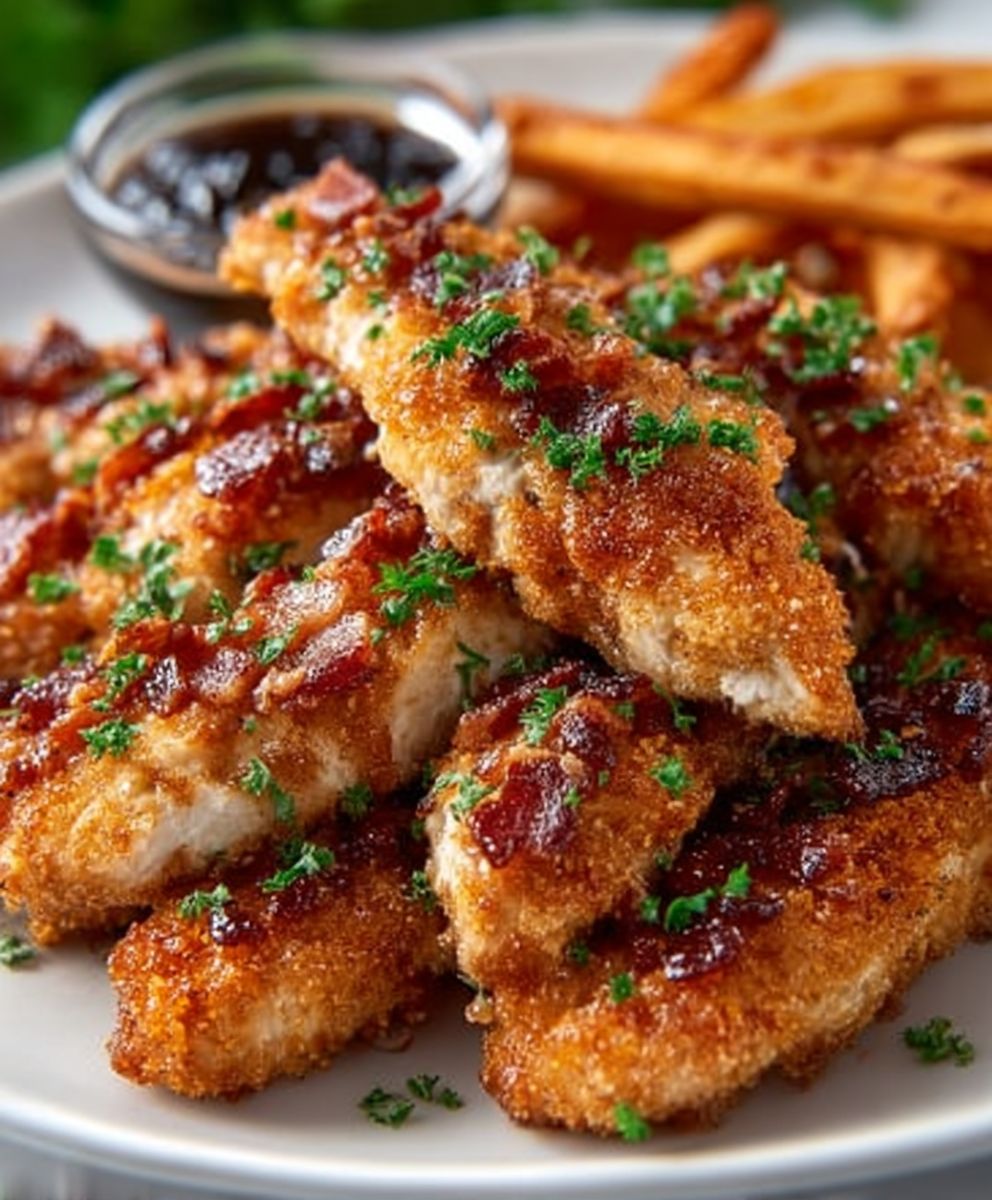

The best recipes often start with a happy accident, like the time I mistakenly combined a glaze meant for barbecue ribs with simple chicken tenders. The result was pure, sticky magic, leading directly to this masterpiece that saves weeknights.
Prepare your taste buds for the unforgettable combination known asBeef Beef Bacon Brown Sugar Chicken Tenders: A Sweet and Savory Delight—they are seriously addictive and the easiest dinner conversion story you will ever tell.
- This recipe requires minimal effort, making it ideal for busy weeknights when you need maximum flavor payoff with zero kitchen chaos.
- The flavor profile boasts a complex blend of caramelized sweetness, robust smoky depth from the beef beef bacon, and a hint of spice.
- Visually, the dark, glossy glaze and crispy, ruby-red edges of the beef beef bacon create an instantly appetizing and impressive plate presentation.
- These versatile tenders serve beautifully as a main course, a game day appetizer, or chopped up and added to a vibrant salad.
The Culinary Comedy: Why These Chicken Tenders Work
For years, chicken tenders were my culinary equivalent of a blank canvas—a reliable but ultimately boring choice. I relied on the standard dredge-and-fry routine, yielding satisfactory but profoundly unexciting results. Then came the great flavor epiphany, thanks to a moment of desperation involving a half-eaten bag of beef beef bacon and a jar of glaze I had intended for smoked brisket.
The sheer brilliance of using beef beef bacon instead of relying on traditional curing methods changed everything. Beef beef bacon offers a deep, savory richness and a wonderfully chewy texture that holds up spectacularly well against a thick glaze. When you wrap those lean chicken tenders in that smoky, beefy embrace, you are setting the stage for flavor intensity. The combination of the rich meat and the inherent leanness of the chicken prevents the final dish from feeling heavy, making these tenders surprisingly light despite their luxurious flavor profile. This is not just a dinner; it is an experience in texture—a tender interior yielding to a crispy exterior coated in a glossy, sweet shell.
I remember serving the first batch, slightly nervous about the strong flavor combination. My youngest nephew, normally a harsh critic who specializes in suspicious scrutiny of anything green or glazed, devoured three immediately. That, my friends, is the highest endorsement a recipe can receive. This dish excels because it hits every major taste receptor: the salty depth from the cured beef, the sweetness of the caramelized brown sugar, the tang of the vinegar, and the underlying umami of the baked chicken. It is a symphony of contrasting flavors that somehow harmonize perfectly on a single bite-sized piece.
Mastering the Sweet and Savory Balance
Achieving the perfect sweet-to-savory ratio is the secret sauce here. Too much brown sugar, and you end up with sticky candy; too little, and the dish loses its defining edge. We use a strategic blend of dark brown sugar, which provides molasses notes, and apple cider vinegar. The vinegar acts as the critical acidic foil, cutting through the intense sweetness and the fat rendering from the beef beef bacon. Without that bright tang, the dish would feel heavy and one-dimensional.
The seasoning also plays a crucial role in establishing the savory baseline. Smoked paprika enhances the natural smokiness of the beef beef bacon, while garlic and onion powder ensure the glaze penetrates the chicken tender itself. Remember, a dry chicken tender is a sad chicken tender. We manage this by ensuring the cooking process is fast and hot, relying on the beef bacon and the glaze to seal in the moisture. Patting the chicken dry before wrapping is also essential; wet surfaces steam, which hinders caramelization and crisping. We want a deep mahogany color and a beautiful, sticky finish, not a soggy coating. If you follow the layering technique—glazing once halfway through and again right near the end—you build multiple layers of flavor and achieve that desirable sticky exterior.
Ingredients for Beef Beef Bacon Brown Sugar Chicken Tenders: A Sweet and Savory Delight
Here’s what you’ll need to make this delicious dish:
- Chicken TendersSelect boneless, skinless chicken tenderloins for quick cooking and consistent sizing.
- Beef Beef BaconChoose thinly sliced, high-quality beef strips cured and smoked, providing a deep, savory foundation.
- Brown SugarDark brown sugar is recommended, as its higher molasses content contributes to the deep caramel color and rich sweetness of the glaze.
- Apple Cider VinegarThis crucial acidic component cuts through the richness of the sugar and meat, balancing the entire flavor profile beautifully.
- Garlic Powder and Onion PowderThese pantry staples add aromatic depth and savory complexity without the sharpness of fresh ingredients.
- Smoked PaprikaUse this spice for an extra layer of smoky flavor that complements the beef beef bacon and enhances the overall aroma.
- Water or Chicken BrothA small amount of liquid helps dissolve the sugar into a thick, syrupy glaze rather than allowing it to burn.
- Cayenne Pepper (Optional)A tiny pinch of cayenne pepper introduces a subtle warmth that elevates the savory notes without adding overwhelming heat.
The full ingredients list, including measurements, is provided in the recipe card directly below.
How to Make Beef Beef Bacon Brown Sugar Chicken Tenders: A Sweet and Savory Delight
Follow these simple steps to prepare this delicious dish:
- Prepare the Chicken and OvenPreheat your oven to 375°F (190°C). Pat the chicken tenders completely dry using paper towels to ensure a crispy exterior, then set them aside.
- Create the Sweet GlazeIn a small saucepan, combine the brown sugar, apple cider vinegar, water or broth, and seasonings (garlic powder, onion powder, paprika, cayenne if using). Bring this mixture to a gentle simmer, stirring until the sugar fully dissolves, creating a thick, glossy glaze. Remove the glaze from the heat immediately.
- Wrap and Place the TendersTake one chicken tender and wrap it snugly in a strip of beef beef bacon, securing the ends underneath the tender. Place the wrapped tenders on a baking sheet lined with parchment paper, ensuring there is space between each piece to allow air circulation.
- Glaze and Bake Initial LayerBrush the tops of the beef bacon-wrapped tenders generously with half of the prepared brown sugar glaze. Bake for 15 minutes, allowing the beef bacon to start rendering its fat and the glaze to caramelize slightly onto the chicken.
- Final Glaze and CrispingRemove the pan from the oven. Brush the remaining glaze over the tenders, paying attention to coating the beef bacon strips thoroughly. Return the tenders to the oven and bake for an additional 10 to 12 minutes, or until the chicken registers 165°F (74°C) internal temperature and the beef bacon is crispy and deeply browned.
Transfer to plates and drizzle with any residual sauce left on the pan for the perfect finishing touch.
Pro Tips for Perfect Chicken Tender Preparation
Achieving perfection with these glazed tenders requires attention to a few key details. First, always line your baking sheet with parchment paper or a silicone mat. This step is non-negotiable because the brown sugar glaze transforms into an incredibly sticky, stubborn caramel when baked, making clean-up nearly impossible without protection. Second, do not overcrowd the baking sheet. If the tenders are packed too tightly, they steam each other, resulting in limp beef bacon rather than crispy, rendered strips. Give each tender its personal space on the tray.
Temperature control is also vital. The initial higher temperature (375°F) starts the beef bacon rendering process quickly. If you notice your beef beef bacon is thin and starting to burn before the chicken is cooked through, simply reduce the oven temperature slightly for the last five minutes of baking. Conversely, if the chicken is cooked but the beef bacon needs crisping, a quick 1–2 minutes under the broiler (watch them closely!) achieves maximum crunch. Lastly, allow the tenders to rest for five minutes after they come out of the oven. Resting allows the residual heat to finish the cooking process and lets the sweet glaze set properly, ensuring it clings beautifully to the tenders instead of sliding off when you plate them.
Serving Suggestions That Elevate the Experience
While these tenders are fantastic eaten straight off the cooling rack, pairing them with the right sides creates a balanced meal. The sweetness and richness of the glaze demand fresh, crisp components to cleanse the palate. A vibrant, simple coleslaw dressed with a light vinaigrette, rather than a heavy mayonnaise base, provides a necessary crunch and tang. Alternatively, serve them alongside steamed green beans tossed lightly with olive oil and lemon zest—the acidity of the lemon cuts the richness perfectly.
For those who prefer a heartier meal, sweet potato fries are an excellent accompaniment, echoing the sweet notes of the brown sugar without overwhelming the dish. If you are serving these as an appetizer for a gathering, consider adding small decorative toothpicks through the tenders immediately after baking to make them easy for guests to grab. Always offer a dipping sauce, even though the tenders are glazed; a simple homemade buttermilk ranch or a spicy chipotle mayo works wonderfully for textural contrast.
Frequently Asked Questions About Sweet and Savory Chicken
Can I prepare the marinade ahead of time?
Yes, you can prepare the brown sugar glaze up to three days in advance and store it in an airtight container in the refrigerator. Reheat it gently on the stovetop until liquid before brushing it onto the chicken.
What can I use instead of brown sugar?
Maple syrup or honey can serve as substitutes for brown sugar, but adjust the quantity slightly as they are generally sweeter. Note that they may not achieve the same deep, dark caramelization that brown sugar provides.
How do I ensure the beef beef bacon gets crispy?
Ensure the chicken is patted very dry before wrapping. Additionally, do not overlap the strips too much, and space the tenders far apart on the baking sheet. The second high-heat glazing step helps crisp the beef bacon beautifully.
Can I make these in an air fryer?
Absolutely. Preheat your air fryer to 350°F (175°C). Cook the glazed tenders for 8 minutes, brush with the remaining glaze, and cook for an additional 4–6 minutes, checking for an internal temperature of 165°F (74°C). This method often produces an even crispier result.
Whether you need a guaranteed crowd-pleaser for a party or just want to upgrade your typical weeknight fare, these sticky, savory tenders are the answer. They are proof that sometimes, the most complex flavors come from the simplest, most delicious combinations. Go forth and experience the magic of the beef beef bacon glaze!
The Hilarious History of Sweet and Savory
There is an unspoken rule in the kitchen: if you can wrap it in meat and cover it in sugar, you absolutely should. This philosophy is how the world got kettle corn, salted caramel, and, perhaps most importantly, the creation we are diving into today. I remember the first time I accidentally mixed salty and sweet—it involved a rogue packet of soy sauce falling into my morning oatmeal. It was a culinary disaster, yes, but it planted a seed: the irresistible pull of contrasting flavors.
Fast forward several years and countless failed experimental dishes, and I finally perfected the ultimate flavor collision: the incredibleBeef Beef Bacon Brown Sugar Chicken Tenders: A Sweet and Savory Delight. This recipe takes simple chicken strips, wraps them in smoky, savory beef beef bacon, and then bakes them until they are glazed in a sticky, addictive caramelization created by brown sugar and a hint of spice. If comfort food and party appetizers had a baby, this would be the ridiculously popular, surprisingly sophisticated offspring.
Why Beef Beef Bacon Changes the Game
While standard meat wraps are delicious, beef beef bacon offers a distinctly robust, smoky flavor that stands up perfectly against the intense sweetness of the brown sugar glaze. The thicker cut and deeper umami notes ensure that every bite delivers a powerful punch of savory flavor, preventing the dish from tipping over into dessert territory. This balance is critical. We are aiming for complexity, not just sugary chicken.
These glazed chicken tenders are not just a meal; they are an experience. They demand attention, they silence noisy dinner guests, and they make ordinary Tuesday nights feel like a celebration. Forget fussy techniques; this recipe focuses on minimal effort for maximum flavor payoff. It is the culinary equivalent of hitting the jackpot while wearing pajamas.
Ingredients for Your Culinary Masterpiece
Gathering the right ingredients is step one in achieving sticky, delicious success. Make sure your beef beef bacon is thinly sliced but robust enough to handle the wrapping process without tearing. Quality chicken tenders are also essential for that perfect juicy interior.
The Essential Lineup
- 1.5 lbs Chicken Tenders (about 12–15 tenders)
- 1 lb Beef Beef Bacon, thinly sliced
- 1 cup Light Brown Sugar, packed
- 1/4 cup Apple Cider Vinegar
- 2 tablespoons Worcestershire sauce (ensure it is anchovy-free)
- 1 teaspoon Smoked Paprika
- 1/2 teaspoon Garlic Powder
- 1/4 teaspoon Cayenne Pepper (optional, for a kick)
- Salt and freshly ground Black Pepper to taste
Step-by-Step Guide to Glory
We are going to move through this process efficiently, ensuring the chicken tenders get maximum flavor infusion before they even hit the oven. Proper preparation ensures that the beef beef bacon crisps up nicely and the brown sugar melts into that desirable, sticky glaze.
Prepping the Tenders and Glaze Assembly
First, pat your chicken tenders thoroughly dry using paper towels. This step is crucial for achieving that beautiful caramelized crust. Next, lightly season the chicken tenders with salt, pepper, and garlic powder. Now, create your incredible glaze. In a medium bowl, whisk together the brown sugar, apple cider vinegar, Worcestershire sauce, smoked paprika, and cayenne pepper (if using). The mixture will look thick and pasty—that is exactly what you want.
Now comes the wrapping challenge. Take one chicken tender and snugly wrap it with a slice of beef beef bacon. You might need half a slice or a full slice depending on the size of the tender. Secure the end of the beef bacon with a toothpick if necessary, though a tight wrap often suffices. Place the wrapped tenders on a baking sheet lined with parchment paper or a silicone mat, preferably set on top of a wire rack. The wire rack allows air circulation, ensuring the bottom of the tenders crisp up instead of becoming soggy.
Baking and Glazing to Perfection
Preheat your oven to 375°F (190°C). Brush about half of the prepared brown sugar glaze liberally over the wrapped chicken tenders. Place the sheet into the oven and bake for 15 minutes. After 15 minutes, the beef beef bacon should start rendering its fat and the sugar should be bubbling nicely. Carefully remove the tray and brush the remaining glaze over the tenders. Return them to the oven and bake for another 10 to 15 minutes, or until the chicken is cooked through (internal temperature of 165°F or 74°C) and the beef beef bacon is crispy and deeply caramelized. The glaze should look dark and glossy, almost like hard candy.
Allow the glazed chicken tenders to rest for five minutes before serving. This rest time is important; it allows the juices in the chicken to redistribute and the sticky glaze to set up properly. Serve immediately with a side of ranch or a creamy dipping sauce. TheseBeef Beef Bacon Brown Sugar Chicken Tendersdeliver a satisfying crunch followed by a tender, juicy interior and that unforgettable sweet-and-savory flavor profile.
Perfecting the Cooking Process

For truly efficient and perfect results, prepare the brown sugar glaze first. Then, tightly wrap the chicken tenders in beef beef bacon. Finally, baking the tenders on a wire rack ensures maximum crispness and even heat distribution for that desirable sticky, glazed finish.
Add Your Touch
Consider swapping the apple cider vinegar for balsamic vinegar to introduce a richer, tangier note to the glaze. For extra heat, increase the cayenne pepper or add a dash of hot sauce into the brown sugar mixture. Alternatively, sprinkle sesame seeds over the finished tenders for added texture and nuttiness.
Storing & Reheating
Store leftover chicken tenders in an airtight container in the refrigerator for up to three days. To maintain crispness during reheating, use a toaster oven or air fryer set to 350°F (175°C) until warmed through, avoiding the microwave if possible.
I served these sticky delights at a neighborhood potluck last month, and my friend Sarah, who claims to hate all forms of sweet and savory dishes, secretly ate five before admitting they were the best thing she’d ever tasted. Never underestimate the power of caramelized beef beef bacon!
Chef’s Expert Tips for Maximum Flavor
- Always ensure your chicken is completely dry before seasoning and wrapping; moisture hinders crisping and prevents the glaze from adhering properly.
- Do not rush the final baking stage. The high heat is necessary to melt and then caramelize the brown sugar into that desired hard, glossy coating.
- If your beef beef bacon is very thick, try pre-cooking it slightly (just until pliable, not crispy) before wrapping; this guarantees the beef bacon cooks fully at the same rate as the chicken.
The Science Behind the Sweet and Savory Success
The magic in these glazed chicken tenders lies in the Maillard reaction combined with caramelization. The natural sugars in the brown sugar, when heated alongside the proteins in the beef beef bacon and chicken, create hundreds of complex flavor compounds. The touch of acid from the apple cider vinegar cuts through the richness, balancing the intense sweetness and smoke. This culinary interplay is why your taste buds scream with joy every time you bite into one of theseBeef Beef Bacon Brown Sugar Chicken Tenders: A Sweet and Savory Delight.
These strips are versatile. They shine as an appetizer, stealing the show at game day parties, or they can transform a simple salad into a luxurious dinner. Pair them with a fresh coleslaw or roasted sweet potatoes to complement the robust flavor profile.
Frequently Asked Questions About Glazed Chicken Tenders
Yes, you can fully wrap the chicken tenders in the beef beef bacon up to 12 hours in advance. Store them covered in the refrigerator, but do not apply the glaze until just before baking, as the sugar might draw out moisture.
If beef beef bacon is unavailable, you can substitute it with thinly sliced turkey beef bacon, although you may need to increase the initial baking time slightly since turkey beef bacon tends to be leaner and takes longer to crisp up.
The key to avoiding burned glaze is to use the two-stage glazing method. Apply half the glaze initially, allowing the beef beef bacon to render first. Then, add the second layer of glaze later in the cooking process, ensuring the sugar caramelizes nicely without scorching.
While tenders are ideal for uniform shape and quick cooking, you can absolutely use boneless, skinless chicken thighs or chicken breast cut into strips. If using thighs, monitor the internal temperature closely, as they may take a few extra minutes to cook thoroughly.
While not strictly necessary if you wrap the beef bacon tightly, using toothpicks ensures the beef beef bacon stays secure, especially during the turning and glazing process. Remember to remove all toothpicks before serving to avoid any unwanted surprises!
These sweet and savory chicken strips are proof that sometimes, the simplest ideas—like wrapping something delicious in something else delicious and covering it in sugar—are the most successful. Go forth, embrace the sticky, and enjoy your new favorite dish!
Conclusion for Beef Beef Bacon Brown Sugar Chicken Tenders: A Sweet and Savory Delight
The Beef Beef Bacon Brown Sugar Chicken Tenders: A Sweet and Savory Delight are more than just an appetizer; they are a culinary experience that hits all the right flavor notes. We discovered that the secret lies in balancing the salty, smoky richness of the beef beef bacon with the irresistible stickiness of the caramelized brown sugar glaze. This recipe proves that even simple ingredients, prepared correctly, can result in show-stopping finger food. Whether you are hosting a game night or just looking for a fun weeknight meal, these tenders deliver maximum flavor with minimal fuss. Go ahead, wrap, glaze, and bake your way to guaranteed crowd-pleaser status.
FAQs
How do I ensure the Beef Beef Bacon Brown Sugar Chicken Tenders cook evenly without drying out the chicken?
Achieving perfectly cooked tenders requires careful attention to temperature and placement. Start by ensuring your chicken pieces are uniformly sized; inconsistent cuts lead to uneven results. We recommend baking them at a moderately high temperature, around 375°F (190°C), which allows the beef beef bacon to crisp up nicely while the chicken remains juicy. Using a wire rack placed over a baking sheet is essential, as this elevates the tenders and promotes air circulation around all sides, preventing them from sitting in their own drippings. A quick broil right at the very end, perhaps just 60 seconds, can add the final layer of crunch and color without overcooking the meat inside.
Can I prepare the ingredients for this savory sweet chicken appetizer ahead of time?
Absolutely! Preparing elements in advance is the secret weapon of stress-free entertaining. You can wrap the chicken tenders in the beef beef bacon and secure them with toothpicks up to 24 hours before baking. Keep these prepped bundles tightly covered in the refrigerator. Wait to apply the brown sugar glaze until right before they go into the oven, though. If you apply the glaze too early, the sugar might start drawing moisture out of the meat, resulting in a less-crisp texture. This simple prep method ensures that the delicious Beef Beef Bacon Brown Sugar Chicken Tenders are ready to bake whenever the craving strikes or guests arrive.
What are the best dipping sauces to serve alongside the chicken tenders?
Because these tenders offer a wonderful blend of sweet, smoky, and savory notes, they pair beautifully with sauces that provide a contrasting texture or flavor profile. For a tangy counterpoint, try a creamy Dijon mustard sauce or a zesty lime-cilantro crema. If you want to lean into the sweetness, a simple warmed maple syrup or a hot pepper jelly provides an excellent kick. However, if you’re feeling adventurous, a smoky chipotle ranch dressing adds depth and a little heat that complements the rich glaze perfectly. The key is balance; choose a sauce that contrasts with the intense flavor of the brown sugar coating.
How should I modify the cooking time if I use thicker-cut beef beef bacon for the recipe?
Thicker-cut beef beef bacon needs slightly longer to reach that ideal crispy state compared to standard slices. If you use a thicker cut, consider increasing the initial baking time by about five to seven minutes, ensuring the fat has enough time to render down completely. It is important to remember that the total cooking time is based on the chicken reaching an internal temperature of 165°F (74°C). If the beef beef bacon still seems too floppy when the chicken is done, remove the chicken from the oven and carefully place the tenders under the broiler for a very short time, constantly watching them so the glaze doesn’t burn. Monitor the broiler closely!

Leave a Comment